
The concept of the “Book of Life” is one of the most profound and spiritually significant themes in the Bible. It appears in both the Old and New Testaments, serving as a symbol of God’s ultimate judgment and the assurance of salvation for believers. The "Book of Life" represents the divine record of those who are granted eternal life, and its presence in Scripture offers deep insights into the nature of God's justice, mercy, and eternal plan for humanity.
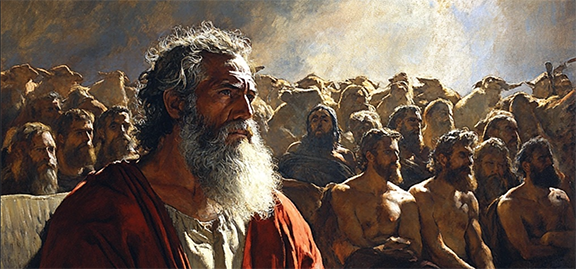
The earliest references to the Book of Life can be found in the Old Testament, where it is closely associated with God’s relationship with His chosen people, Israel. One of the most notable mentions is in the Book of Exodus. After the Israelites sinned by worshipping the golden calf, Moses pleaded with God on their behalf. In Exodus 32:32, Moses says,
"But now, please forgive their sin—but if not, then blot me out of the book you have written."
Here, the Book of Life is presented as a record of those who belong to God, and Moses’ willingness to be blotted out reflects his deep intercession for the people.
This Old Testament passage suggest that the Book of Life was understood as a register of those who were in covenant with God, and who, therefore, were under His protection and grace. It reflects a communal and covenantal understanding of life and salvation, where the names in the book symbolize a living relationship with God.
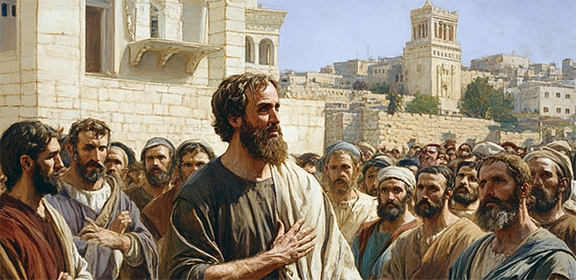
The New Testament expands upon the concept of the Book of Life, giving it a more significance. The Apostle Paul alludes to it in Philippians 4:3, where he speaks of his fellow workers, “whose names are in the book of life.” This reference indicates that the Book of Life is not only for the Jewish people but also for Gentiles who have come to faith in Christ. It symbolizes the inclusion of all believers in the salvation that Christ offers.
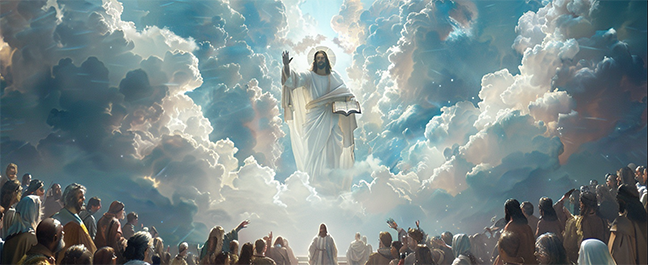
The most detailed and significant references to the Book of Life are found in the Book of Revelation. Revelation 3:5 states,
“The one who is victorious will, like them, be dressed in white. I will never blot out the name of that person from the book of life, but will acknowledge that name before my Father and his angels.”
This passage emphasizes the assurance of salvation for those who have believed in Christ. Their names are securely written in the Book of Life, signifying their eternal inheritance.

Revelation 13:8 and 17:8 refer to those who worship the beast as not having their names written in the “book of life of the Lamb who was slain.” These verses highlight the contrast between the believers and the unbelievers, with the latter group being excluded from the Book of Life. The “Lamb’s book of life” specifically ties the book to the sacrificial death and redemptive work of Jesus Christ, underscoring the belief that eternal life is granted through Him.

The final and most dramatic mention of the Book of Life comes in Revelation 20:12-15, where it is described as part of the final judgment.
“And I saw the dead, great and small, standing before the throne, and books were opened. Another book was opened, which is the book of life. The dead were judged according to what they had done as recorded in the books. Anyone whose name was not found written in the book of life was thrown into the lake of fire.”
Here, the Book of Life is depicted as the definitive record that determines eternal destiny. Those whose names are written in it are granted eternal life, while those who are not are condemned.
The Book of Life carries profound implications. First, it serves as a powerful demonstration of God’s sovereign knowledge and judgment. God, as the omniscient and righteous judge, has a complete and perfect record of all human beings. This record, embodied in the Book of Life, ensures that divine justice will be perfectly administered.
Second, the Book of Life underscores the security of the believer’s salvation. As seen in Revelation 3:5, those who have believed in Christ are assured that their names will never be blotted out. This provides believers with comfort and confidence in their salvation, knowing that it is secure in God’s eternal plan.
Third, the Book of Life is closely linked to the concept of covenant. In the Old Testament, it represented the covenantal relationship between God and Israel. In the New Testament, it symbolizes the new covenant established through the blood of Christ, which includes all who have faith in Him. Thus, the Book of Life is a testament to God’s faithfulness in keeping His covenant promises.
The Book of Life is central to the final judgment. It is the ultimate criterion by which all people are judged. The distinction between those whose names are written in the book and those who are not reflects the ultimate separation between the saved and the lost. This dichotomy is a recurring theme in Revelation, where the Book of Life serves as a reminder of the eternal consequences of human choices.
The finality of the Book of Life’s judgment is sobering. Revelation 20:15 emphasizes that exclusion from this book results in the "second death," or eternal separation from God. This vision calls individuals to serious reflection on their spiritual state and their relationship with God. It also serves as a source of hope for believers, affirming that their faithfulness will be rewarded with eternal life.
For Christians, the concept of the Book of Life has practical implications for daily living. It encourages a life of faithfulness, perseverance, and righteousness. The knowledge that one’s name is written in the Book of Life should inspire a commitment to live in accordance with God’s will and to maintain a close relationship with Him.
Moreover, the Book of Life reminds believers of the importance of evangelism and discipleship. The desire to see others’ names written in the Book of Life motivates Christians to share the gospel and lead others to faith in Christ. The awareness of the eternal stakes involved provides a sense of urgency in fulfilling the Great Commission.
The Book of Life is a profound biblical concept that encapsulates the themes of divine justice, covenant faithfulness, and hope. Its presence in both the Old and New Testaments underscores its significance in God’s redemptive plan. For believers, it serves as both a comfort and a challenge, assuring them of their secure place in God’s kingdom while also calling them to live in a manner worthy of that calling. As the ultimate record of those who will inherit eternal life, the Book of Life remains a central and enduring symbol of God’s eternal purpose and love for humanity.1
"As iron sharpens iron, so one sharpens another,"
Proverbs 25:17


In response to Marty.
“He who overcomes will thus be clothed in white garments; and I will not erase his name from the book of life, and I will confess his name before My Father and before His angels.”
Revelation 3:5 NASB1995
https://bible.com/bible/100/rev.3.5.NASB1995
I would argue that the one who overcomes is granted multiple things. Specifically walking with the Lord clothed in white garments. I do not know the original Greek grammar and punctuation of this passage, but in English I think the semi-colon separates ideas. Which makes me think the white garments is the specific benefit tied to overcoming, while the name not being blotted out of the book of life is the baseline benefit of believing in Christ and what He claimed. Even those believers that do not overcome.
Your statement does not follow: "As seen in Revelation 3:5, those who have believed in Christ are assured that their names will never be blotted out."
Taken at face value, the text, as you quoted, seems to limit this benefit to the believer “who is victorious." Not all believers are victorious in the manner described by Revelation. So, the promise of not having their names blotted out of the book does not apply to all believers. This passage describes a reward. Not a gift. You could either take it as a litotes or as a description of misthological aspect of the Book of Life. But your statement, as stated, does not compute.
Excellent article, you need to write more often!