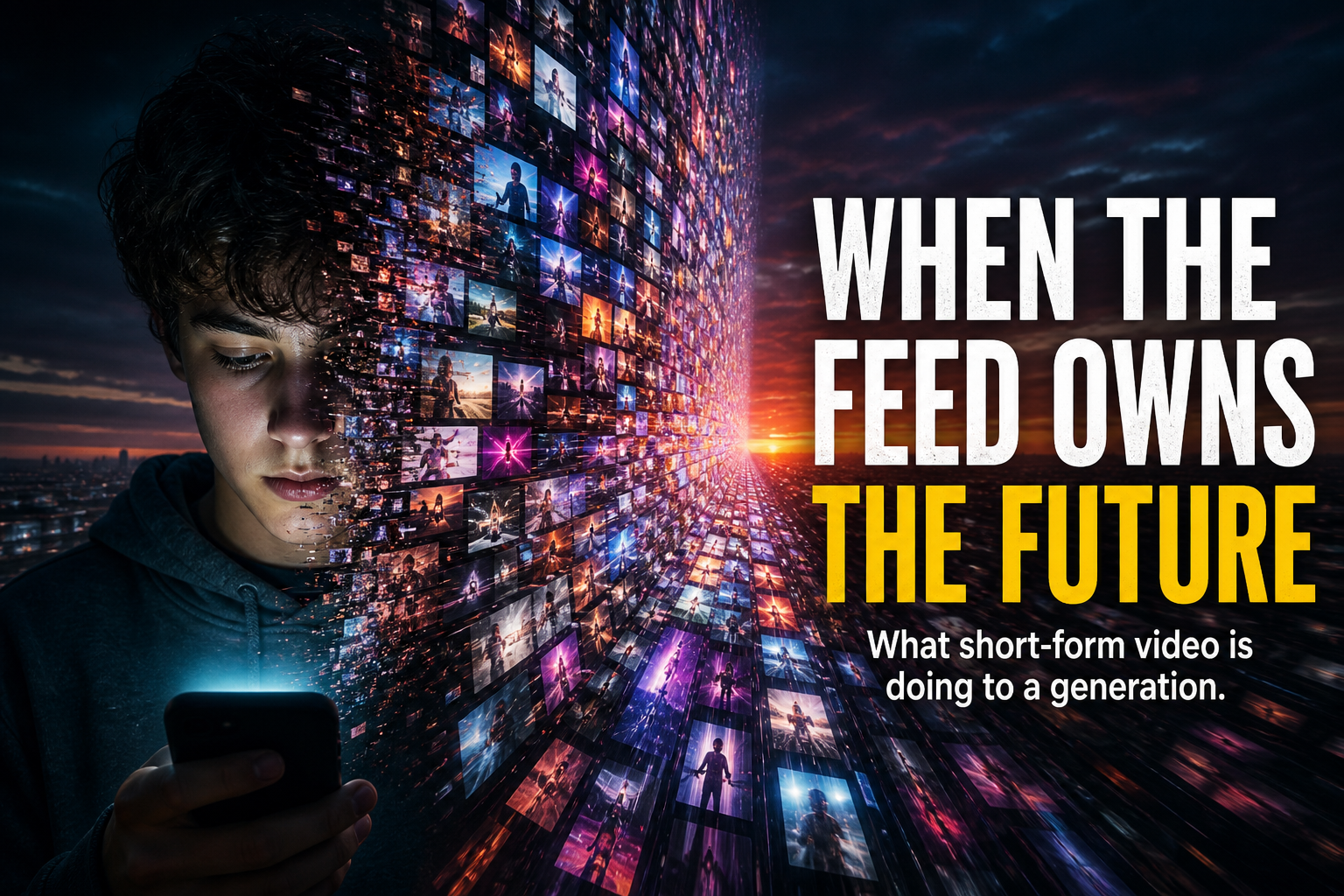
A study of 1,567 high school students, published in Computers in Human Behavior and reported by PsyPost, found that addictive short-form video use predicted a drop in students’ ability to handle ordinary school stress. Compulsive scrolling was linked to a shorter view of the future. When the future feels thin, a hard homework night feels unbearable. Then the algorithm offers another hit of relief.
Researchers call that coping skill academic buoyancy: bouncing back from a bad quiz or a long assignment. The study showed a cycle. More addiction, less buoyancy later. Less buoyancy, more video as escape.
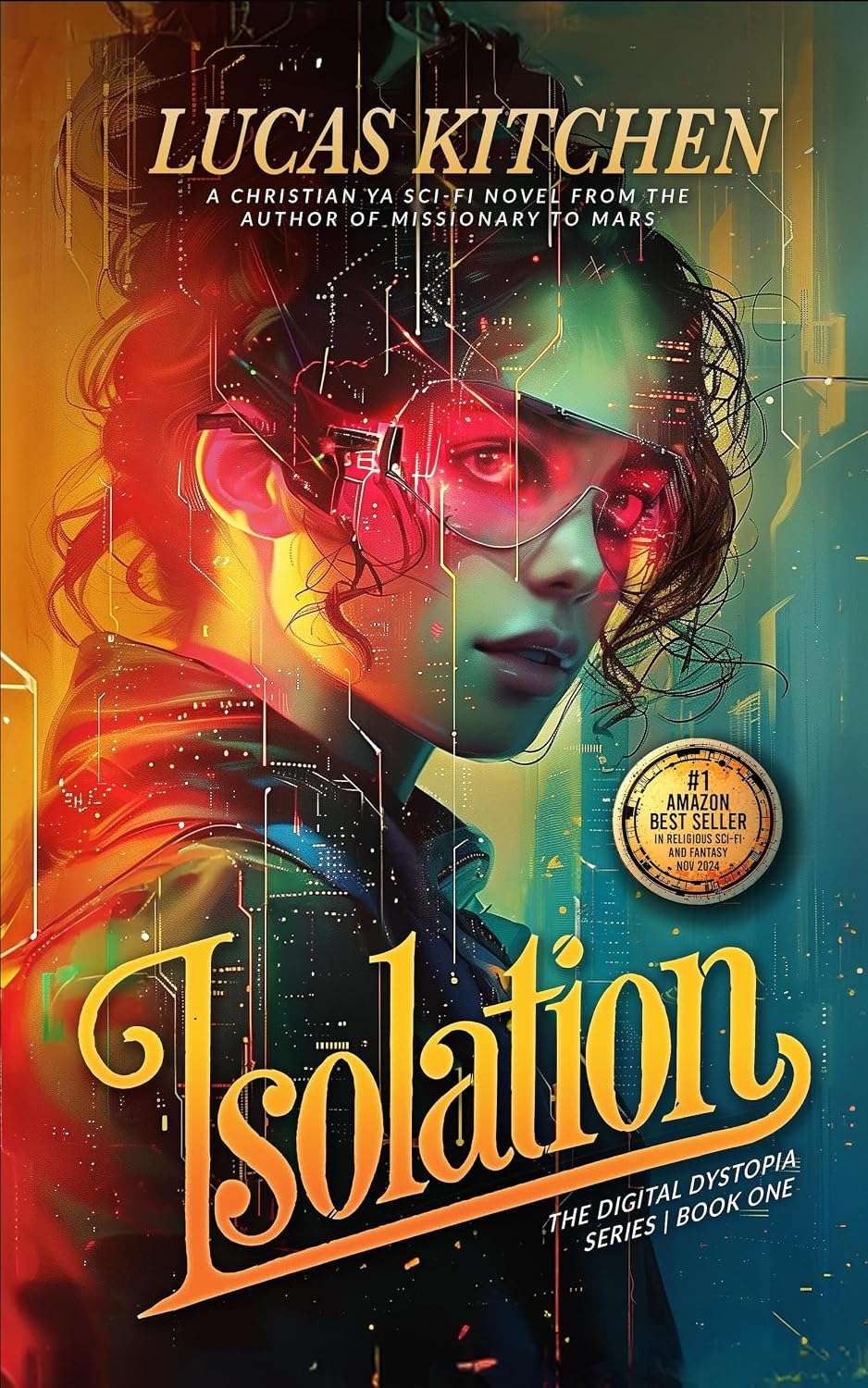
Lucas Kitchen’s novel Isolation is not a parenting manual. It is a story. The secret city of Isolation was founded as an analog oasis from digital insanity outside the wall. When twins Tabitha and Tobias cross into that outside world, they have to recover a stolen handbook that holds their way of life together.
The book explores the hazards of screen-time addiction and the power of healthy digital habits, faith, and Christian evangelism. That is why this news and this novel belong together. Both ask what happens when the feed owns the future.
If the study names the problem, Isolation lets a family feel it and talk about it.
News source: PsyPost on Xiong et al., No future vision, no present perseverance. Isolation is Amazon-only.